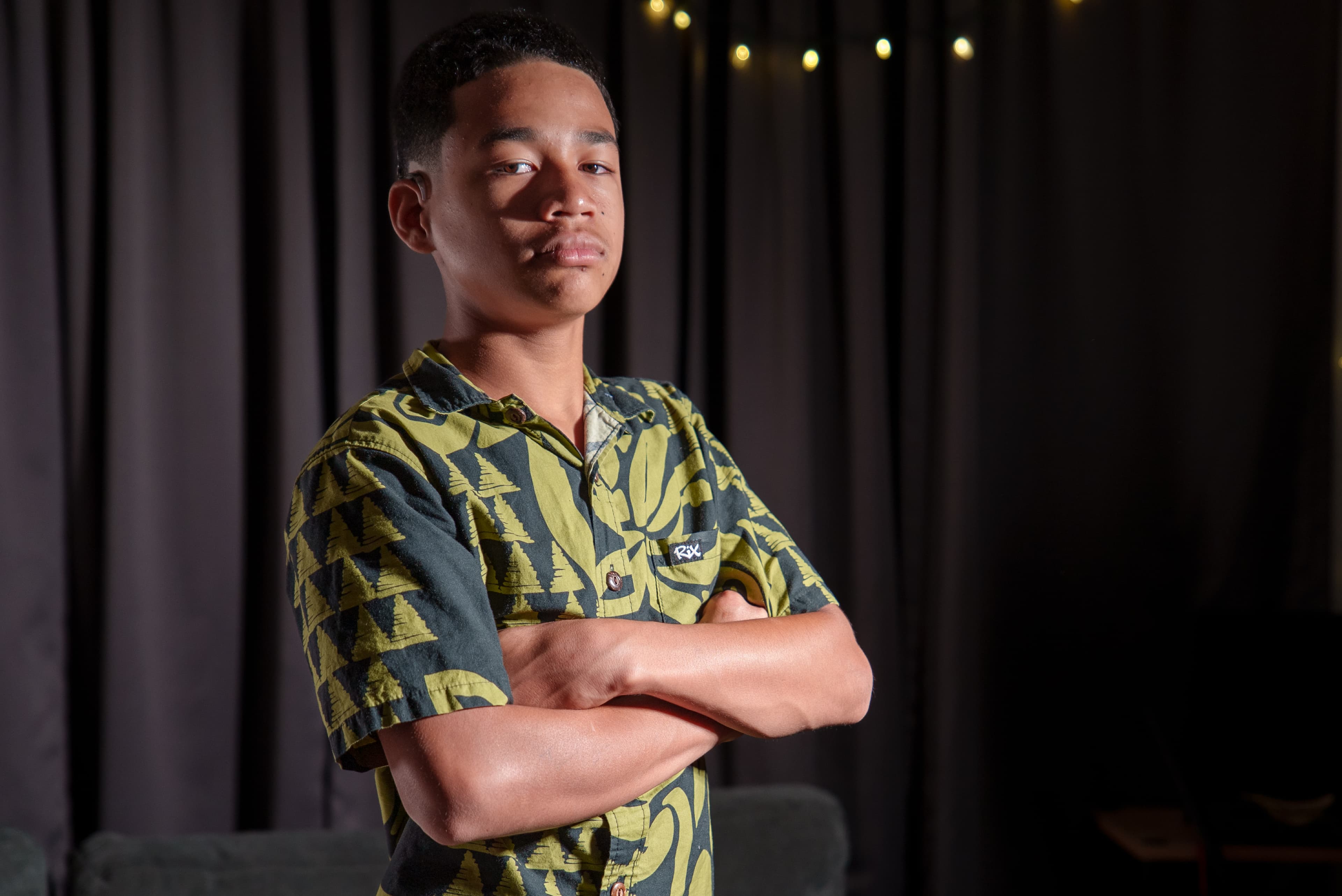
Mastering Portrait Lighting: The Art of Composing Light for Stunning Images
Pure Ohana Team
•December 7, 2025
Aloha, photographers and image makers! 🌺
Have you ever looked at a portrait and felt instantly captivated—drawn into the subject's eyes, mesmerized by the play of light and shadow? That magic doesn't happen by accident. It's the result of understanding how to compose light, one of the most powerful tools in portrait photography.
At Pure Ohana Treasures, we believe that light is more than just illumination—it's the brush that paints emotion, depth, and story onto your canvas.
Why Light Composition Matters in Portrait Photography
Light does more than make your subject visible. It:
- Creates mood and atmosphere (dramatic, joyful, mysterious, serene)
- Shapes the face (emphasizing or softening features)
- Directs the viewer's eye (through highlights and shadows)
- Adds dimension and depth (transforming a flat image into something three-dimensional)
The Foundation: Essential Portrait Lighting Patterns
1. Loop Lighting: The Beginner's Best Friend
How it works: Position your light source 30-45 degrees from your camera and slightly above your subject's eye level.
When to use it: Perfect for family portraits, professional headshots, and any time you want a natural, approachable look.
Pro tip: If you're shooting with natural light, position your subject near a window and stand at that 30-45 degree angle.
2. Rembrandt Lighting: Drama with a Triangle
How it works: Move your light further to the side (about 45 degrees), positioned a foot or two above eye level.
When to use it: Ideal for character portraits, artists, and anyone who wants a more cinematic, storytelling feel.
Pro tip: Works best with high cheekbones. Adjust angle for subjects with flatter nose bridges.
3. Butterfly Lighting: Glamour and Grace
How it works: Position your light source directly behind your camera and slightly above your subject's eye level, angled down at about 45 degrees.
When to use it: Perfect for beauty shots, fashion portraits, and clients who want to look their absolute best.
Pro tip: Add a reflector below your subject's face for "clamshell lighting" — an even softer, more luminous look.
4. Split Lighting: Bold and Moody
How it works: Place your light source 90 degrees to the left or right of your subject.
When to use it: Creates powerful, artistic portraits. Perfect for musicians, athletes, and edgy looks.
Pro tip: Ensure you still have a catchlight in at least one eye to keep the eyes alive.
5. Broad vs. Short Lighting: Shaping the Face
Broad lighting: The side of the face toward the camera is illuminated — makes face appear wider. Great for slim faces.
Short lighting: The side of the face toward the camera is in shadow — creates a slimming effect. Flattering for most people.
Creative Lighting Techniques: Beyond the Basics
The Power of Catchlights
Those tiny highlights reflected in your subject's eyes make them sparkle with life and emotion. Position your subject looking toward (but not directly into) a light source.
Backlighting and Rim Lighting
Backlighting: Creates a gorgeous halo effect around your subject.
Rim lighting: A narrow rim of light outlines the subject's profile — striking for athletes and dancers.
Underlighting: Movie Magic
Position light below your subject, angled upward. Creates dramatic, cinematic effects. Use sparingly!
Composing Light with Your Environment
Find Open Shade at the Edge
Look for wide, open shade where soft, directional light meets shadow for beautiful, even illumination.
Add Texture for Depth and Mood
- Wood: warmth, coziness, nature
- Concrete/stone: stable, solid, modern
- Fabric, hair, grass: textural elements
Include Something Shiny
Water, windows, glass, or street lights create natural highlights that increase contrast beautifully.
Expert Tips: Bringing It All Together
- Think in Three Dimensions: Use foreground, middle ground, and background layers.
- Spacious vs. Confined: Leave breathing room for joy; shoot close to walls for intimacy.
- Frame Within a Frame: Use doorways, arches, windows to direct attention.
- Balance Light and Shadow: More light = joyful; more shadow = dramatic.
- Consider Your Subject's Features: Match lighting pattern to face shape and skin.
Your Next Steps: Practice with Purpose
- Start with one pattern: Master loop lighting first
- Practice with household items: lamps, windows, phone flashlight
- Observe light everywhere in movies, magazines, everyday life
- Shoot in different conditions: morning, midday, golden hour, indoors
- Review and refine your images critically
Mahalo for Reading!
Light is the photographer's paintbrush, and now you have a palette of techniques to create portraits that truly shine.
Ready to transform your portrait photography? Grab your camera, find some beautiful light, and start experimenting!
Aloha and happy shooting!
— The Pure Ohana Treasures Team